

OUR SERVICES
Irrigation Sprinkler Systems
Installation and Repair
Having serviced commercial and residential Columbia Sprinkler Systems for over two decades, we are the company you can trust to make sure your lawn and landscape are irrigated properly.
At Heads Up Irrigation SC, we specialize in sprinkler installation and sprinkler repair. We do the job right the first time and are proud to offer both competitive and reasonable prices for our services.
Want more details about lawn and sprinkler installation and repair?
CLICK HERE!
Our Irrigation Services Include:
- Irrigation installation
- Preventative maintenance
- Head replacement
- Replacement of controllers
- Programming of controllers
- Leak Repair
- Backflow testing
- Valve replacement
- Lake Pump and suction line replacement
Click to Call:
803.360.1260

A FEW WORDS ABOUT US
We are a family owned and operated business since 2005, specializing in the repair and installation of lawn irrigation systems. When it comes to your home, your lawn is in good hands with us. We use the latest technology for installing and designing irrigation sprinkler systems. At Heads Up Irrigation there is no job too big or too small. Our staff prides itself on being courteous, prompt, and knowledgeable regarding all irrigation systems to ensure that your lawn will be the envy of the neighborhood. So contact us today to schedule your service repair or get an estimate on a new system. Repair work can be done at this time or at your convenience.
Serving the Columbia Area Since 2005
Columbia’s Trusted Irrigation Experts
Modern irrigation sprinkler systems play a crucial role in maintaining a lush and green lawn. Any internet search for "irrigation system companies near me" will show how well-established and respected Heads Up Irrigation is when it comes to customer satisfaction, reliability, and competitive price.
4.9 Stars on Google!
At Heads Up Irrigation, we use the latest technology for installing and designing irrigation sprinkler systems. Heads Up Irrigation is the leader in trenchless irrigation. Learn more about trenchless irrigation from our video.
We use all Hunter (www.hunterindustries.com) products and parts to ensure that your irrigation/sprinkler system will operate at optimum efficiency for water usage for years to come. At Heads Up Irrigation there is no job too big or too small.
Sprinkler Installation
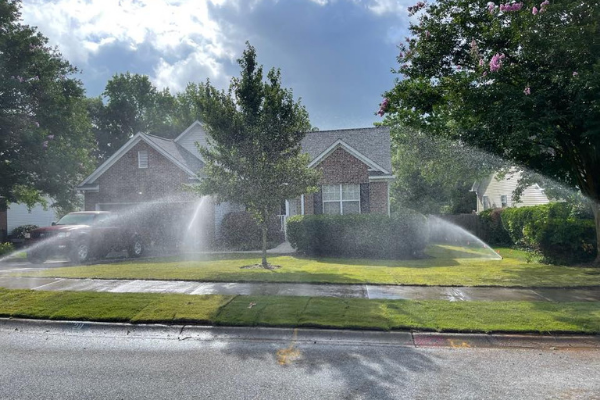
We install sprinkler systems in a prompt and efficient manner using a trenchless method which minimizes damage to your lawn and flowerbeds.
At Heads Up Irrigation SC, we specialize in sprinkler installation and sprinkler repair. We do the job right the first time, and are proud to offer both competitive and reasonable prices for our services.
Trenchless Irrigation
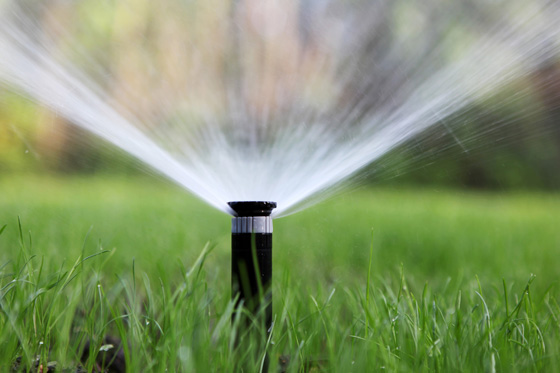
Most irrigation sprinkler systems can be installed using our new trenchless method. This method allows us to install your new sprinkler system using a vibratory plow which pulls the pipe underground. With this trenchless method, we are able to use the same pipe and put it as deep or deeper than conventional methods without having to dig up your yard.
Is there an extra cost? Not at all. Trenchless is cheaper because less labor and time are required and it minimizes damage to your lawn and flowerbeds. Watch the video to see Chris explain it all.
What Our Customers are Saying.
(Swipe to see more reviews)


WE SPEAK WiFi
Adding a smart irrigation wifi controller to your irrigation system can dramatically improve the efficiency of your sprinkler system.
Tips From The Experts
When Should I Start Up My Sprinkler System?
As springtime approaches, you may be wondering… Is it time to startup the sprinkler system? After the winter you may be eager to get out there and start making the lawn look […]
Fall Lawn Care Tips
A lot of homeowners make the same mistake when it comes to caring for their lawns in fall, and they don’t really take care of them properly, or at all. They seem […]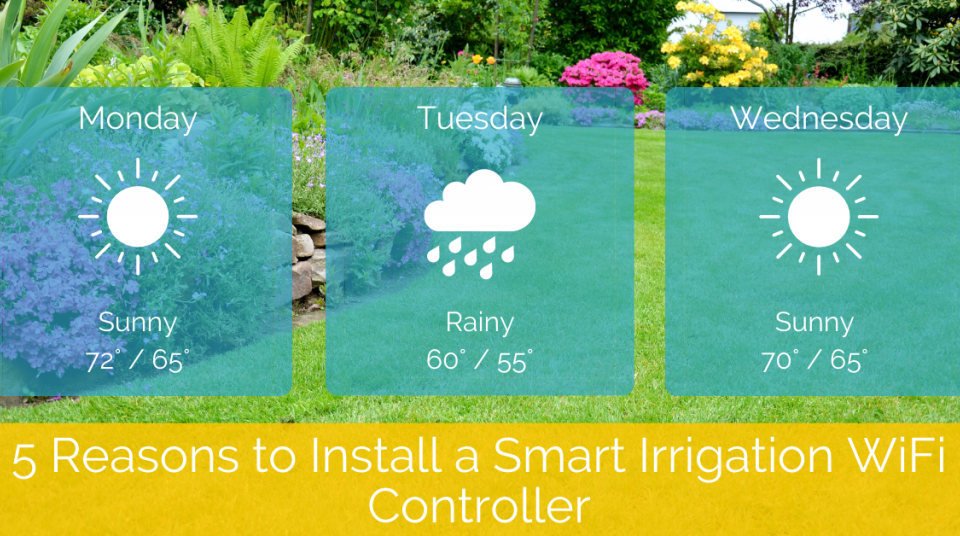
5 Reasons to Install a Smart Irrigation WiFi Controller
Do you wish to conserve cash as well as decrease your effect on the environment? Adding a smart irrigation wifi controller to your irrigations system can dramatically improve the efficiency of your […]
How In-Ground Sprinkler Systems Save You Money
Watering your plants and your lawn can become one those daunting tasks, especially during the hottest months of the year. Of course, there are always people who prefer watering their lawns and […]
7 Lawn Care Tips For The Spring
Are you ready for spring and summer? Now that the weather is warming up, nothing is better than having a beautiful lawn to enjoy during the spring and summer. Here are 7 […]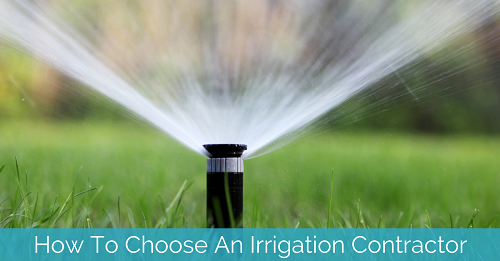
How To Choose An Irrigation Contractor
The process of choosing an irrigation contractor is an important step to a great looking and healthy lawn. The best irrigation contractor will properly install a reliable irrigation system that will water […]
Our Service Area
We proudly service all of Columbia SC and the surrounding counties. Our frequent service area is listed below but if you don’t see your area, just give us a call and we may still be able to help.
We commonly service the following areas:
- Columbia
- Lexington
- Irmo
- Chapin
- West Columbia
- Blythewood
- Newberry
- Prosperity
- Forest Acres
- Arcadia Lakes
FREQUENTLY ASKED QUESTIONS
You Have Questions, We Have Answers
CONNECT WITH US
How can we help?
Have a Question?
Need a Quote?
Contact us to schedule your service repair or get an estimate on a new system.
Monday - Friday
8:00 - 5:00
Phone:
803.360.1260
* - All fields are required.